Travel ends with a flight home to the same grocery store and the same takeout menu you already trust. Moving doesn't. Once the boxes are unpacked, you still need a working routine: a grocery store that stocks your safe foods, restaurants you can actually order from, and a kitchen set up the way you cook. None of that exists on day one, and rebuilding it takes longer than unpacking does.
🛒 Finding a grocery store that actually has your foods
Big supermarket chains carry mostly the same staples everywhere, but store layout, brand selection and even which cuts of meat or bread types are stocked can shift between regions or countries. Before assuming your usual brands aren't available, check the same aisle in a different layout - "no cereal section" often means cereal is shelved with breakfast items instead, not that it's gone.
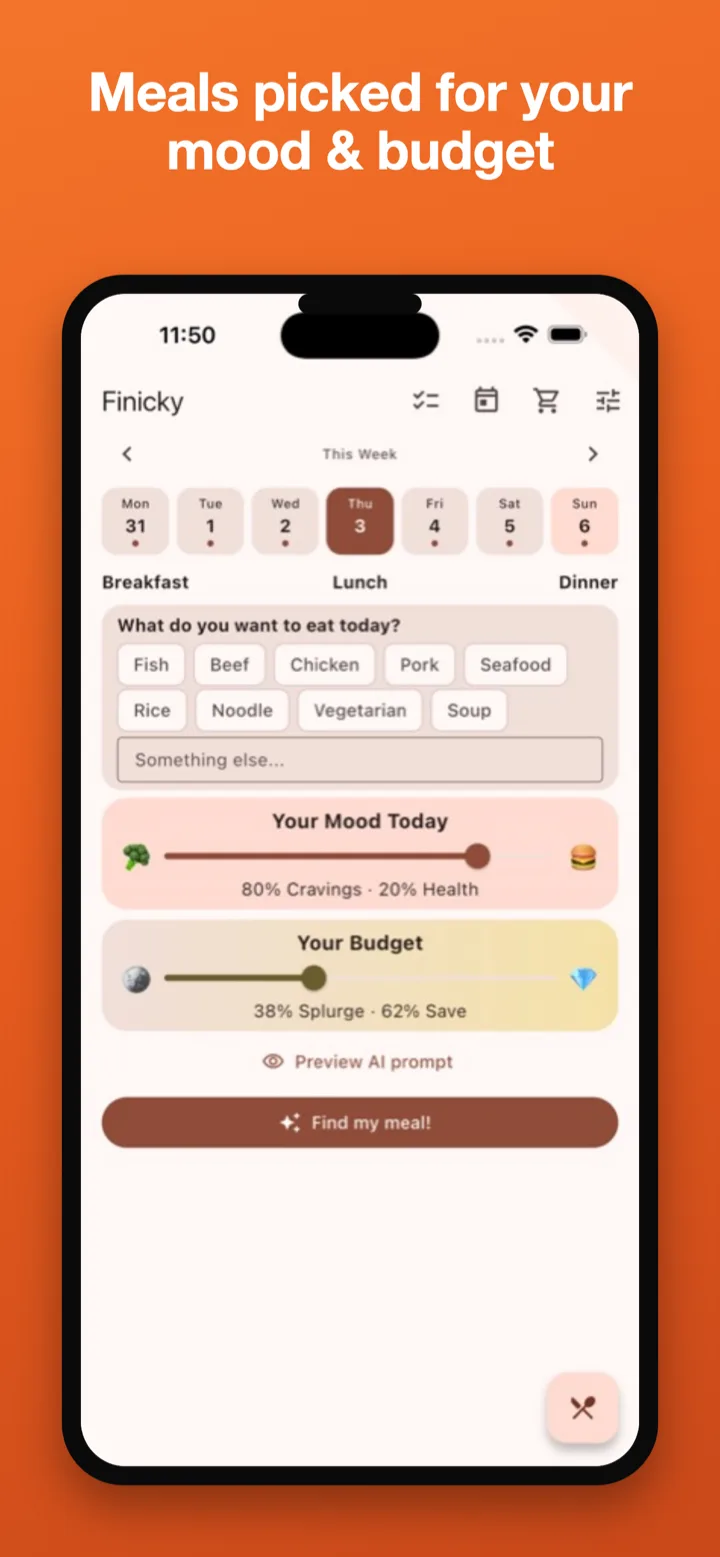
Rebuild your blacklist and safe-food list in Finicky as soon as you arrive, not after weeks of guessing. A fresh area means new brands and new local ingredients standing in for the ones you used to buy; updating what the app avoids and suggests early means your meal plan matches what's actually on the shelves near you, not your old neighborhood.
🍽️ Scouting restaurants before you need one
- Look up two or three nearby restaurant menus online before a hungry night forces a rushed, risky choice - plain options like grilled chicken, pasta or rice bowls exist in most cuisines once you know where to look.
- Save the ones that work in your phone's maps app with a note on what you ordered, the same way you'd remember a go-to spot back home.
- If delivery apps are available in the new area, check what a restaurant actually offers before relying on photos or category tags, which can be misleading.
🍳 Getting your kitchen workable again
Unpack the kitchen before anything else
A kitchen still in boxes pushes you toward takeout for every meal during the exact week you're also learning a new area, stacking two stressful adjustments on top of each other. Even a basic working stove and one pan cuts back on both cost and decision fatigue.
Buy a small batch of your usual staples first
Rather than a full pantry restock, bring in a short list of the condiments, sauces or packaged items you rely on most, so the first week of cooking tastes close to normal instead of entirely new.
Plan the first week's meals before you're settled
Deciding what to eat is harder right after a move, when everything from the store layout to the stove is unfamiliar. A few days of planned meals, even simple ones, removes one more decision during an already demanding week.
🧭 It's fine to take longer than everyone else to feel settled
People who move often talk about discovering a new favorite restaurant or dish within the first week - that timeline doesn't apply the same way when safe foods matter more than novelty. Giving yourself weeks, not days, to rebuild a grocery store routine and a short list of restaurants you trust is a normal pace, not a sign you're adjusting badly.